


On many jobsites, ladders are treated as the default answer to any elevated task. They are familiar, portable, and readily available. But familiarity does not always make them the best option.
The “Ladders Last” philosophy challenges crews to consider safer, task-specific access solutions before reaching for a ladder. Rather than relying on a narrow climbing surface for repeated access, material movement, or extended work, teams evaluate whether stairs, platforms, scaffolds, or other purpose-built systems can provide a more controlled way to get the job done.
The Ladders Last Approach
The concept was discussed by Richard Jones, a retired Turner Construction safety leader, on the WorkSAFE Podcast. Turner’s approach focused on reducing unnecessary ladder use by encouraging teams to evaluate alternative access methods first.
That distinction matters. A ladder may be appropriate for some short-duration tasks, but it is often a poor fit for repeated travel, changing elevations, tool handling, material movement, or work that requires a stable standing area.
The question is not simply, “Can we reach it with a ladder?”
It is: “What is the safest and most efficient way to access this work?”
Why Access Planning Supports Productivity
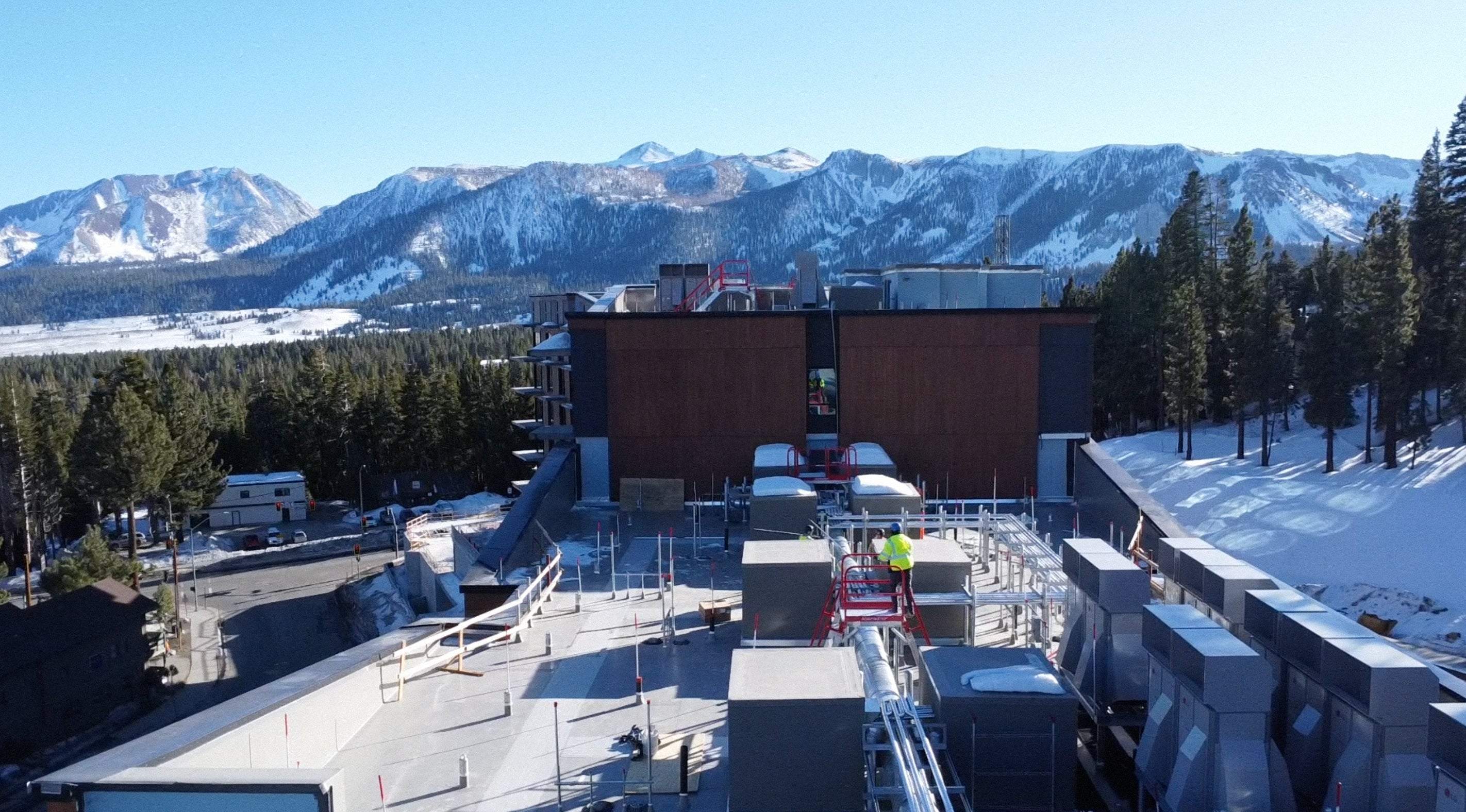
Purpose-built access can help crews spend less time repositioning equipment, navigating awkward transitions, or working around unstable access routes. It can also create more predictable movement between ground level, decks, rooflines, platforms, and elevated work areas.
For example:
-
AdjustaStairs™ provide adjustable stair access across changing heights and angles.
-
Platforma creates a guarded, stable work platform for elevated tasks.
-
Mobile scaffold systems can support tasks that require repeated movement, material staging, or a larger work area.
The right solution depends on the task, site conditions, frequency of use, required elevation, and applicable safety requirements.
Ask Better Questions Before Work Begins
Before assigning a ladder, consider:
-
Will workers need to make repeated trips up and down?
-
Are they carrying tools, materials, or equipment?
-
Does the task require a stable standing area rather than simple access?
-
Are heights, terrain, or work conditions changing throughout the project?
-
Would a stair, platform, or scaffold improve the access route?
A Ladders Last mindset does not eliminate ladders from every jobsite. It helps ensure they are used only when they are truly the right tool for the work.
Build a Safer Route to the Work
Safer access is not just about preventing incidents. It can also help crews move more confidently, reduce unnecessary setup and repositioning, and keep work progressing across demanding jobsites.
Explore SafeSmart’s direct-purchase access systems to find a safer, more practical solution for your next elevated task.
For more on the Ladders Last concept, listen to the WorkSAFE Podcast episode with Richard Jones.

Leave a comment
This site is protected by hCaptcha and the hCaptcha Privacy Policy and Terms of Service apply.